
Introduction
Pasta, the beloved Italian creation, has traveled the world and conquered the hearts and taste buds of millions. It’s a simple yet infinitely versatile dish that can be found on dinner tables from New York to Tokyo, loved by people of all ages and backgrounds. In this post, we’ll embark on a culinary journey through the world of pasta, exploring its rich history, diverse varieties, and the secrets to crafting the perfect plate of pasta.
The Origins of Pasta: A Taste of History
The history of pasta is a fascinating tale that spans centuries and continents. While Italy is often credited with pasta’s creation, its origins are much more complex. Pasta-like dishes have been enjoyed in various forms throughout the world; from Chinese noodles to Arabic couscous. However, it was in Italy that pasta truly flourished and evolved into the myriad of shapes and flavors we know today.
The first documented reference to pasta dates back to the 13th century, in the writings of Italian poet Dante Alighieri. But it wasn’t until the late 17th century that pasta production truly took off. By the 18th century, pasta makers were experimenting with different shapes and recipes, leading to the incredible diversity we see today.
Diverse Varieties of Pasta
One of the most captivating aspects of pasta is its astonishing variety. From the delicate strands of angel hair to the comforting embrace of lasagna, there’s a pasta shape to suit every culinary desire. Let’s explore some of the most popular varieties:
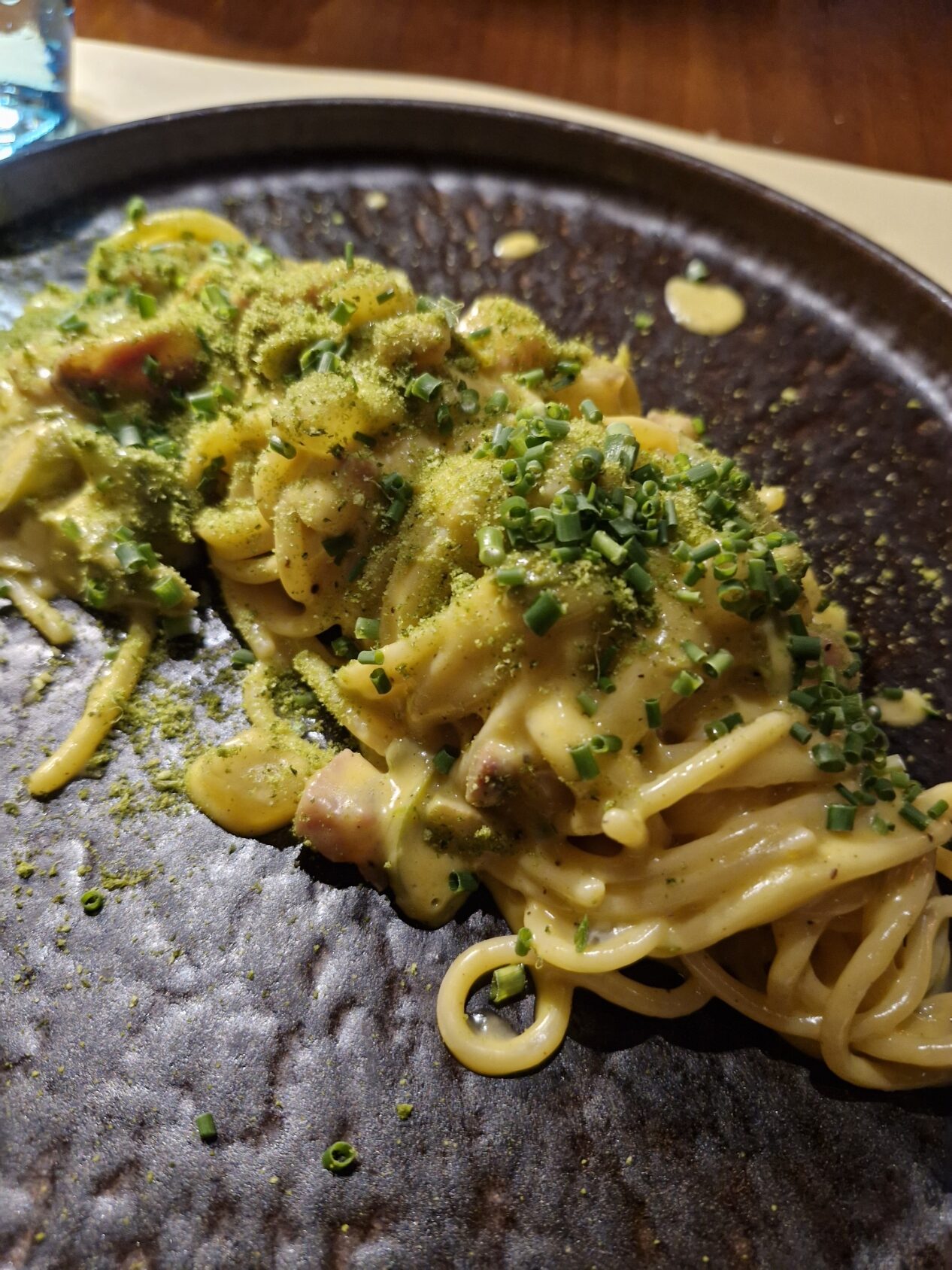
- Spaghetti: Perhaps the most iconic pasta shape, spaghetti is long, thin, and perfectly suited for simple yet delicious sauces like marinara or carbonara.
- Fettuccine: These wide, flat ribbons of pasta are the perfect canvas for rich and creamy sauces, such as Alfredo.
- Penne: With its cylindrical shape and diagonal cut, penne captures sauce inside its hollow center, making it a favorite for hearty tomato-based dishes.
- Ravioli: These stuffed pasta pockets come in a variety of flavors and fillings, from spinach and ricotta to butternut squash and sage.
- Orzo: Resembling grains of rice, orzo is a versatile pasta often used in soups, salads, and Mediterranean-inspired dishes.
- Cavatappi: Also known as cellentani, cavatappi’s spiral shape makes it perfect for trapping sauce, making it an excellent choice for baked pasta dishes.
- Farfalle: These butterfly-shaped pasta pieces add a whimsical touch to salads and cream-based sauces.
- Linguine: Similar to spaghetti but flat and wider, linguine pairs beautifully with seafood or light, olive oil-based sauces.
The Perfect Plate of Pasta: Cooking and Serving
Creating the perfect plate of pasta is an art that combines simple ingredients with precise techniques. Here’s how to achieve pasta perfection:
- Select the Right Pasta: Choose the pasta shape that complements your sauce. Long, thin pasta pairs well with light, oil-based sauces, while robust shapes like rigatoni are ideal for heartier dishes.
- Salt the Water: When boiling pasta, don’t forget to salt the water generously. It should taste like the sea, which will infuse the pasta with flavor as it cooks.
- Al Dente: The Italian phrase “al dente” means “to the tooth,” and it’s the key to perfect pasta. Cook the pasta until it’s firm but not crunchy. It should still have a slight bite when you taste it.
- Save Some Pasta Water: Before draining your pasta, reserve a cup of pasta water. This starchy liquid can be used to adjust the consistency of your sauce and help it adhere to the pasta.
- The Marriage of Pasta and Sauce: Combine your cooked pasta with the sauce in a pan, tossing them together gently. This ensures that every strand or shape is coated evenly.
- Garnish and Serve: Finish your dish with a sprinkle of freshly grated Parmesan cheese, a drizzle of high-quality olive oil, or a handful of fresh herbs for an extra burst of flavor and freshness.

Basic Recipe – 4 Servings
- 225 Grams Flour
- 2 Eggs
- 1 Egg yolk
- Pinch of salt
Method
- Make a well in the center of the flour, add eggs andegg yolk along with a pinch of salt.
- Slowly mix the eggs, allowing flour to slowly mix in.
- Once most of the flour has mixed together with the eggs, you can either use your stand mixer with the dough hook to mix and knead your dough or hand knead until you get a little bounce back when you press on the dough with your finger.
- Wrap in a wet tea towel or plastic wrap and let sit in the fridge for at least a half hour and then you are ready for rolling out and cutting the dough into desired shape for cooking.
Regional Pasta Delights
Italy’s regional diversity is also reflected in its pasta dishes. Each region has its own unique recipes and preferences, showcasing the incredible range of flavors and ingredients that Italy has to offer. Here are a few notable examples:
- Liguria: This region is famous for its pesto sauce, made with fresh basil, pine nuts, Parmesan, and olive oil. It’s often paired with trofie, a twisted pasta shape that holds the sauce beautifully.
- Sicily: The island of Sicily boasts a rich culinary heritage. One of its signature dishes is pasta alla Norma, featuring fried eggplant, tomato sauce, and ricotta salata over spaghetti or rigatoni.
- Rome: Carbonara, a Roman classic, features guanciale (cured pork jowl), Pecorino Romano cheese, eggs, and black pepper. When combined with spaghetti, it creates a creamy, savory delight.
- Naples: The birthplace of pizza also has some fantastic pasta dishes. Try spaghetti alle vongole (with clams) or pasta with Neapolitan ragù, a slow-cooked meat sauce.


Pasta Around the World
While pasta has its roots in Italy, it has also found a place in the hearts of people worldwide, inspiring creative variations and fusion dishes. Let’s take a brief trip around the globe to explore some international pasta creations:
- Japan: Yakisoba is a Japanese stir-fried noodle dish that incorporates wheat-based noodles, vegetables, and a savory sauce.
- China: Chinese cuisine offers a vast array of noodle dishes, from the famous chow mein to the comfort food of homemade hand-pulled noodles served in a hot and hearty soup.
- India: In India, you’ll find delicious dishes like masala pasta, where Italian pasta is infused with Indian spices and flavors, creating a delightful fusion of cuisines.
- Mexico: Mexican cuisine features dishes like fideo, a pasta dish cooked with tomatoes, onions, and spices, often served as a comforting soup.
Conclusion: Pasta, A Timeless Classic
Pasta’s enduring popularity transcends borders and generations, showcasing the remarkable power of this simple yet versatile food. Whether you’re savoring a traditional Italian recipe passed down through generations or exploring innovative global pasta creations, one thing remains constant: pasta’s ability to bring joy and comfort to the table.
So, next time you twirl a forkful of spaghetti or savor the creamy goodness of fettuccine Alfredo, remember that you’re partaking in a culinary tradition that spans centuries, continents, and cultures. Pasta is more than just food; it’s a celebration of the art of cooking and the pleasure of sharing a meal with loved ones. Buon appetito!
Leave a Reply